At Your Child’s Dental Home in RR Nagar, Bangalore.
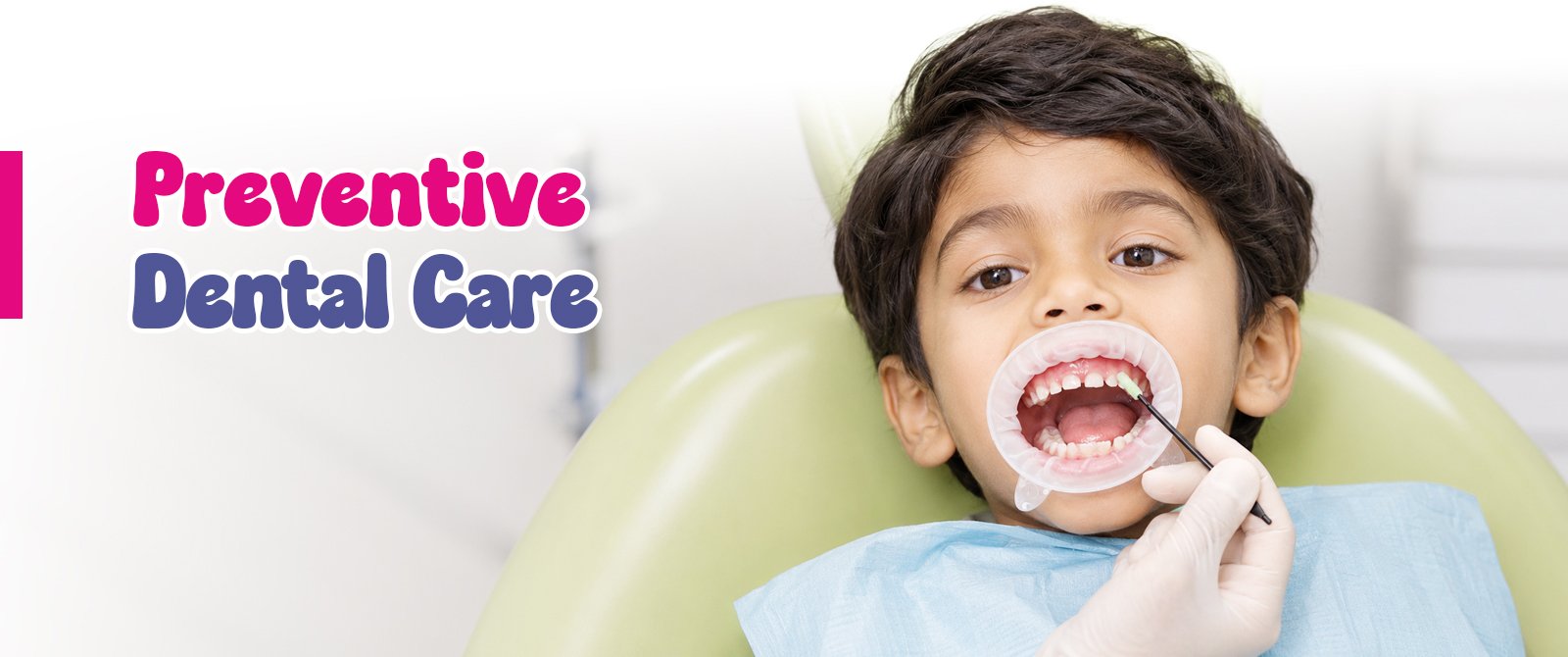
Early cavities, patchy brushing, sugary tiffin snacks, thumb sucking, mouth breathing, and sports injuries are common concerns in children’s oral health. Preventive dentistry for kids focuses on early detection of oral issues, risk reduction, and strong daily habits.
At Mini Molar, a structured paediatric dental plan builds positive oral health habits, identifies problems early, prevents tooth decay, and drives
overall prevention of dental issues. Our MDS-certified paediatric dentists also educate about oral health, provide emergency dental care for kids, and reduce dental anxiety with calm behaviour guidance.
The result is healthy habits, better overall health, and a reduced need for major dental treatments in future. Whether your child is an infant, toddler, school-age child, or teen, book a preventive appointment at Mini Molar today.


Kids’ Dental Check-up & Oral Screening
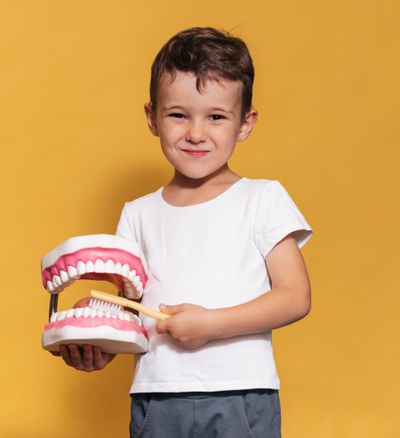
Professional Dental Cleaning

Fluoride Varnish for Strong Enamel
Pit & Fissure Sealants

Cavity Risk Assessment
Brushing & Flossing Coaching
Diet & Sugar Control Counselling
Habit Guidance & Oral Care
Sports Mouthguards & Injury Prevention
Tooth Eruption Tracking & Bite Screening
Gum Health Review & Gingivitis Prevention
Space Maintenance & Early Ortho Referral
No 1132, 1st floor,
Opening Hours
Mon – Sat : 10:00am – 7:00pm
Sunday : Closed


Safe, Pain-free and Comfort-first Pediatric Dentistry for Happier Dental Visits.

Medical and diet history, brushing routine, kids’ dental check-up with oral screening; photos and X-rays only if needed.
Caries risk assessment (sugars, saliva, white-spot or cavitated lesions) plus tooth-eruption tracking, space checks, and early bite/orthodontic screening.
Gum health evaluation for gingivitis prevention, followed by professional cleaning (prophylaxis) with complete plaque and calculus removal.
Fluoride varnish and pit-and-fissure sealants where indicated; coaching on brushing and flossing, sugar control and nutrition, habits (pacifier/thumb), and sports mouthguard
Behaviour guidance, with nitrous-oxide sedation when appropriate; a written plan, home steps, and a risk-based recall schedule (often every 6 months).
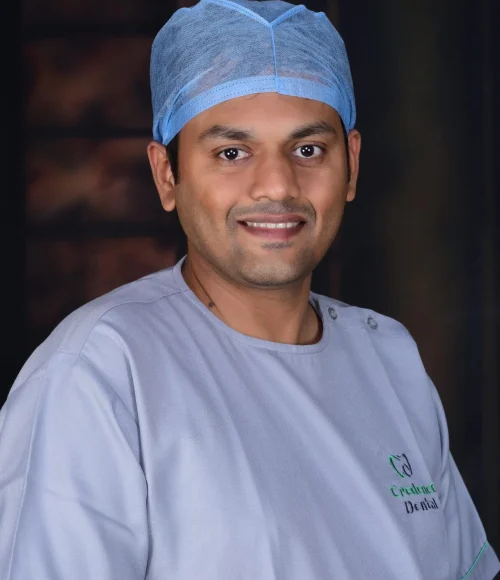
Dr. Pavan TP
(Prosthodontist & Implantologist)
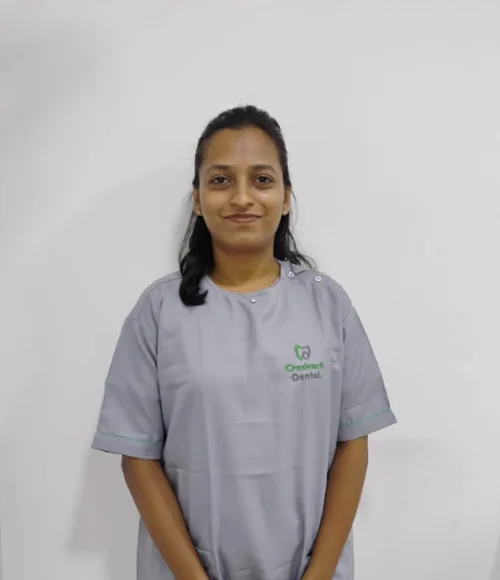
Dr. Rashmi
(Orthodontist)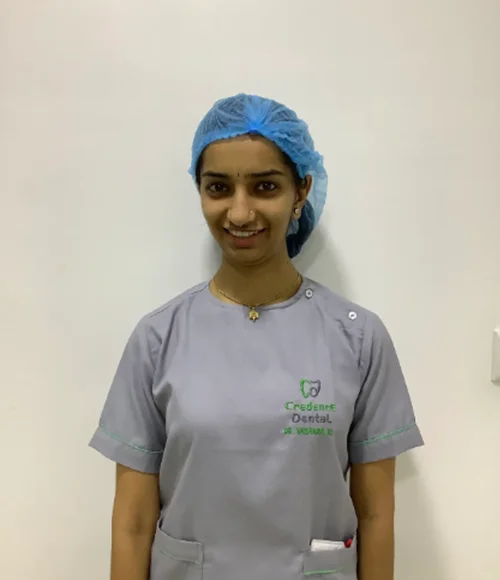
Dr. Vaishnavi NS
(Orthodontist)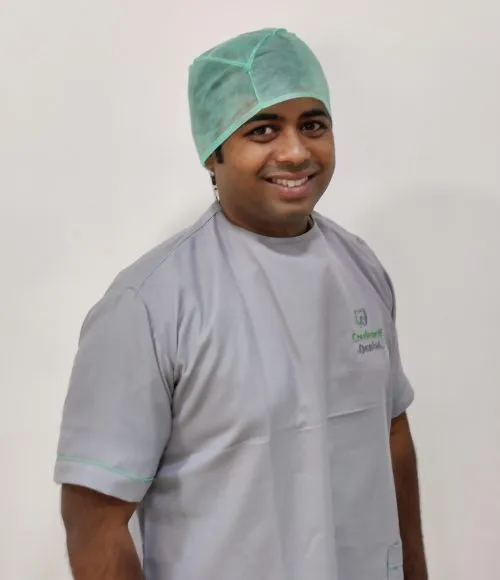
Dr. Suhas
(Orthodontist)
Dr Prahalad
(Orthodontist)
Dr. Tejaswini









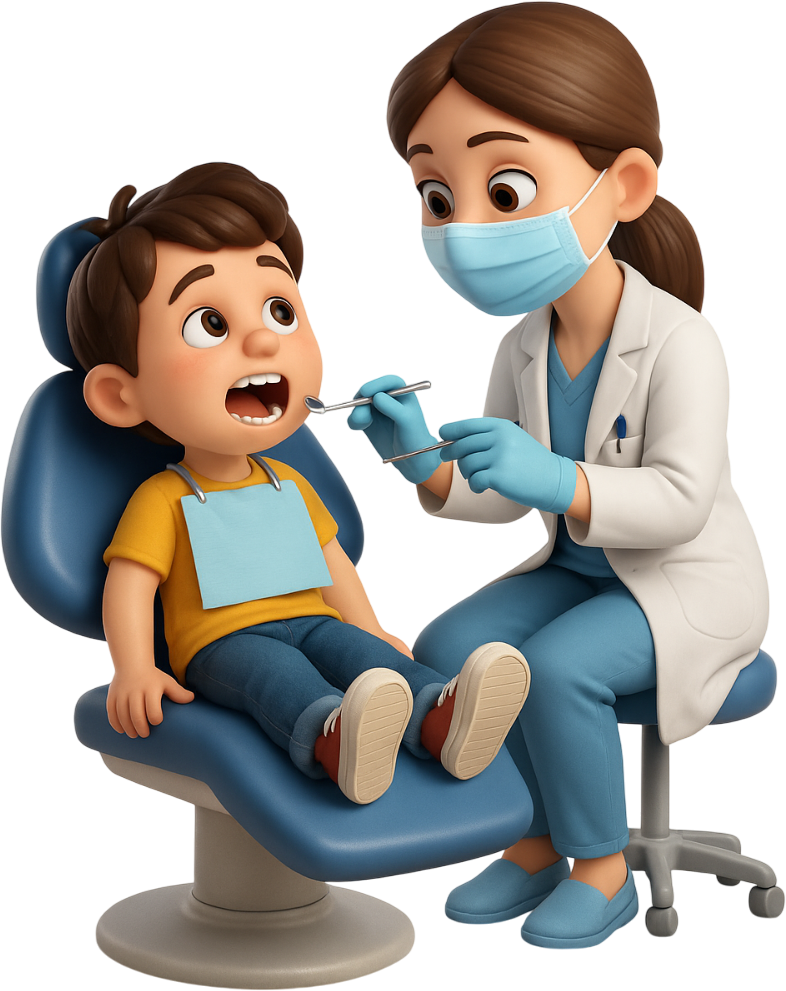
A strong preventive dental care plan starts with a dental home: one clinic that knows your child’s history, growth patterns, and comfort preferences. Book the first preventive dentistry visit by age one or within six months of the first tooth. After that, we set a risk-based recall: typically every six months, and every three to four months for children with higher cavity risk.
First milk tooth arrives by 6-10 months of age.
First permanent molars usually erupt around 6–7 years.
Second molars around 11–13 years.
These are the key windows to assess spacing and apply protective measures.


Call us if you see white lines near the gum, brown spots, bleeding on brushing, food trapping, persistent bad breath, night pain, or a tooth injury. With timely reviews and consistent home care, most children stay cavity-free, avoid complex procedures, and build confident, lasting oral habits.