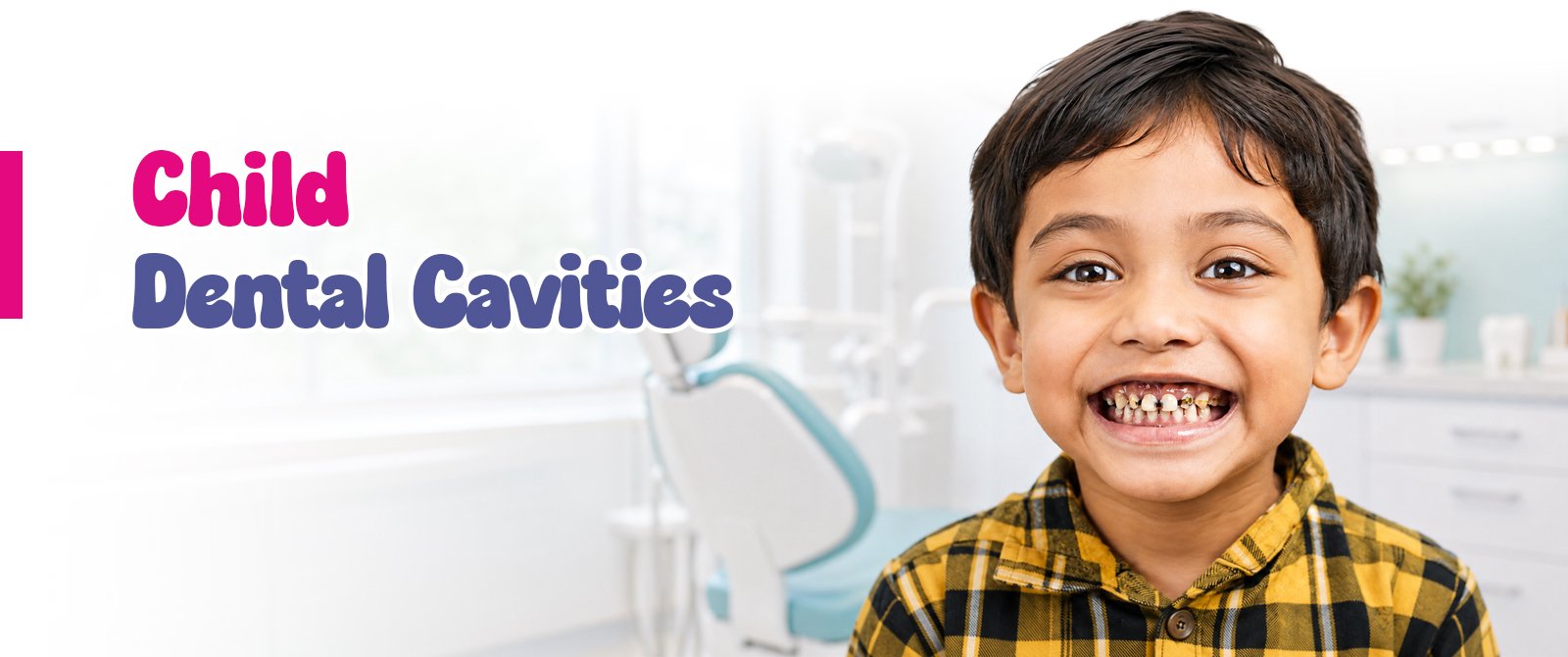
Gentle Cavity Care for Kids in RR Nagar, Bangalore
Noticing a white spot, brown stain, food getting stuck, or your child waking with toothaches? These are early signs of cavities (dental caries). In children, tooth decay can move quickly because thinner enamel and frequent snacks let plaque bacteria turn sugar into acids. The good news: with early detection and a gentle visit, most cavities are simple to treat.
At Mini Molar, our pediatric dentists keep kids cavity treatment in RR Nagar calm and kid-friendly. We start with a quick oral exam, use low-dose bitewing X-rays only when needed, and explain the diagnosis in simple words.
For early spots, fluoride gel or varnish supports remineralisation. For small holes, tooth-colored composite fillings restore the tooth comfortably. For deeper decay, we guide you through crowns or pulp therapy options designed for baby teeth and growing smiles. Our goal for milk teeth cavity treatment in RR Nagar is less pain, fewer visits, and a gentle follow-up routine.


Tooth Pain or Chewing Pain
Tooth Sensitivity

White Spots or Brown Stains
Bad Breath or Sour Taste

Food Avoidance on One Side
Cavities in Baby or Permanent Teeth
Deep Decay with Swelling or Irritation
Signs of Infection
Early Tooth Loss
Need For Space Maintaine
Risk Of Misalignment
No 1132, 1st floor,
Opening Hours
Mon – Sat : 10:00am – 7:00pm
Sunday : Closed


Safe, Pain-free and Comfort-first Pediatric Dentistry for Happier Dental Visits.

Comfort-First Start: Medical/allergy check, consent obtained, local anesthesia provided when indicated for procedures.

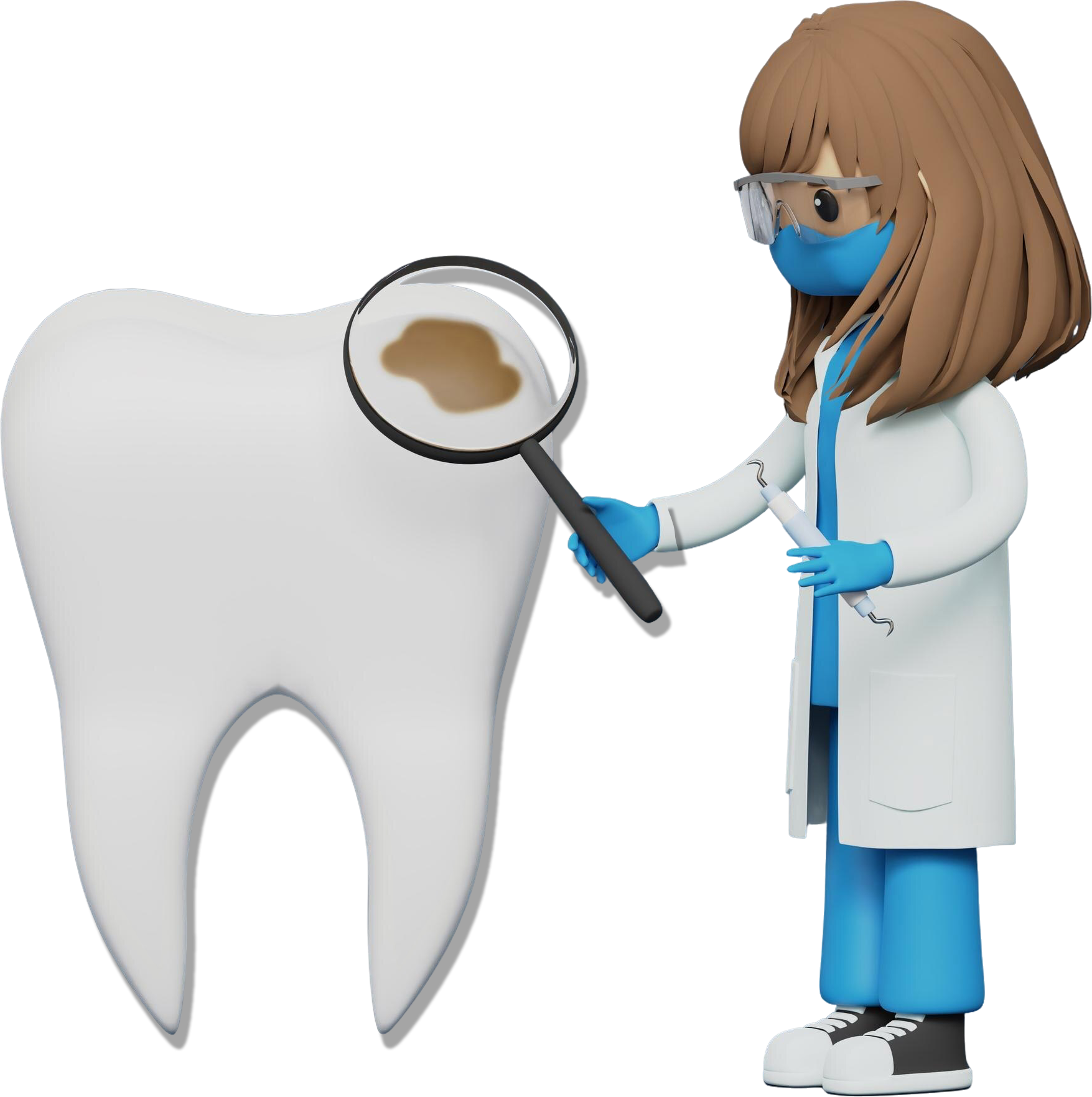
Diagnostic Assessment: Targeted oral exam; bitewing X-rays taken only when clinically necessary.
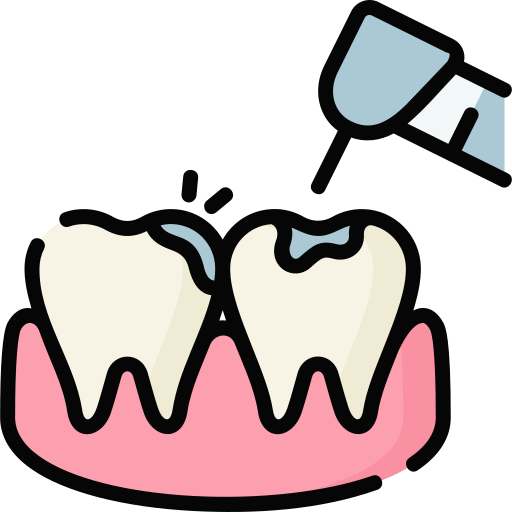
Cavity Removal: Tooth isolated, moisture controlled; decay removed conservatively to preserve enamel.
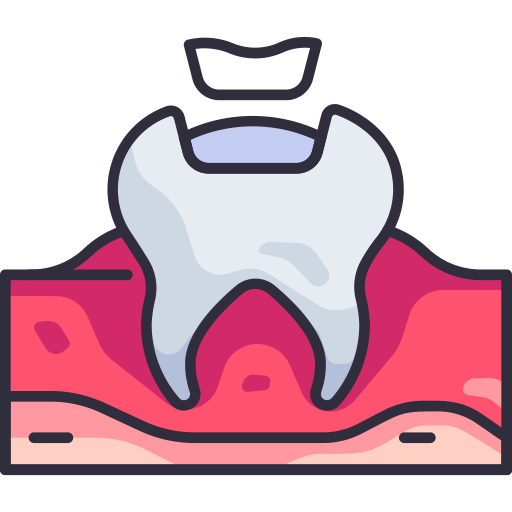
Definitive Treatment: Depth-matched care: fluoride, sealants, composite fillings, crowns, pulpotomy/pulpectomy, as needed.

Post-Care: Written instructions, diet guidance, pain management, scheduled follow-up occlusion check
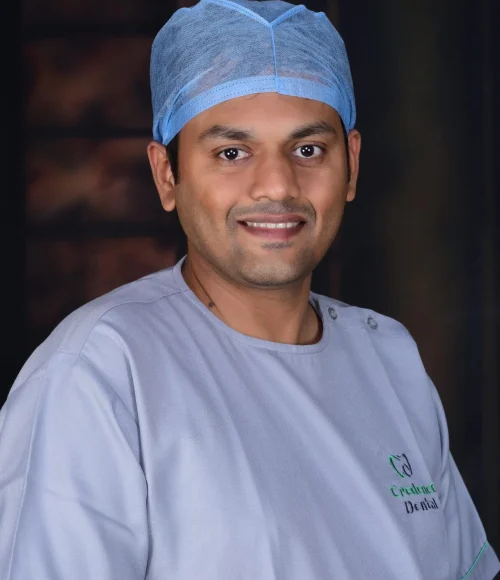
Dr. Pavan TP
(Prosthodontist & Implantologist)
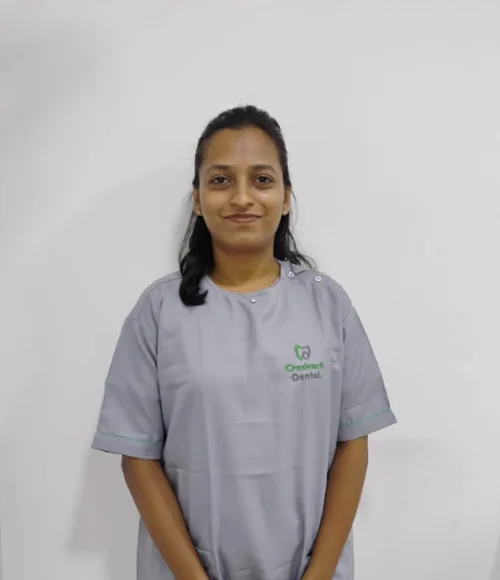
Dr. Rashmi
(Orthodontist)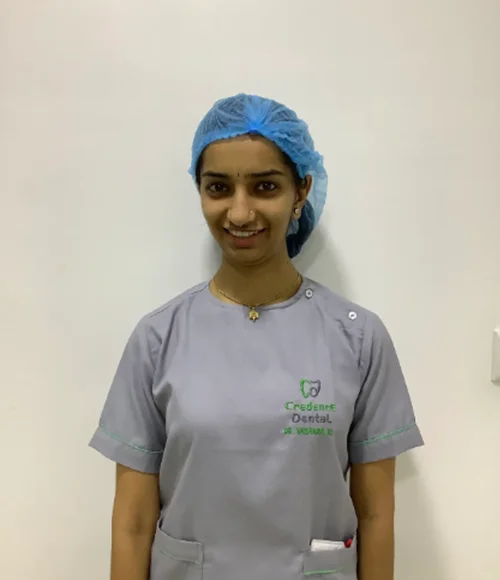
Dr. Vaishnavi NS
(Orthodontist)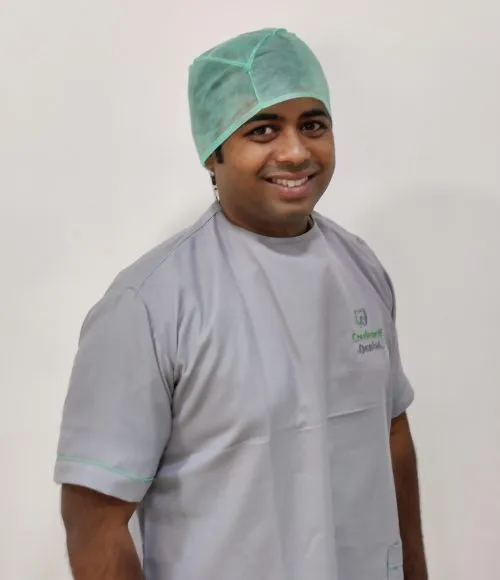
Dr. Suhas
(Orthodontist)
Dr Prahalad
(Orthodontist)
Dr. Tejaswini









A quick, parent-first guide to spotting cavities early, what to do at home, how we treat them gently, and simple habits that keep your child’s teeth healthy
Cavities (dental caries) are areas of tooth decay caused by oral bacteria living in plaque. When kids snack on sugar and sticky foods, acids attack enamel (demineralization). Early spots can remineralize with fluoride and better oral hygiene. Actual holes need treatment to protect chewing and comfort.

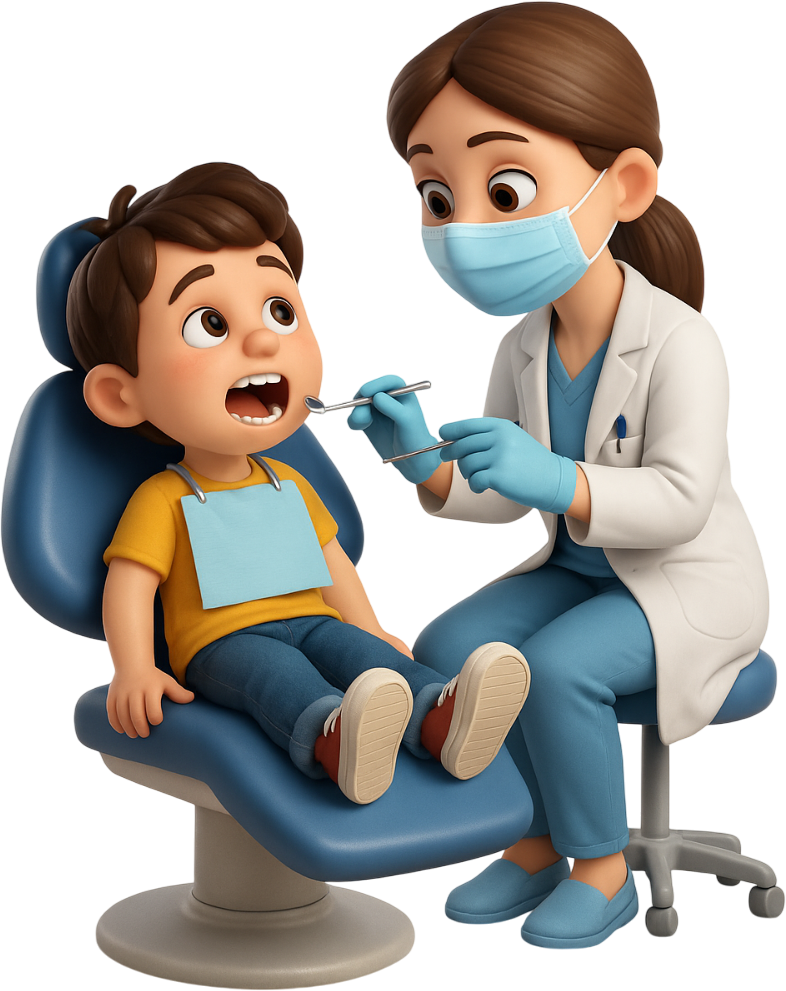
Parents may notice white or brown spots on teeth, sensitivity, bad breath, a sour taste, chewing on one side, or night-time tooth pain.
Because children’s enamel is thinner and frequent snacking increases acid exposure, cavities can spread quickly, making early dental checkups for kids cavity treatment in RR Nagar is essential to prevent pain, infection, or tooth damage.

Early detection makes milk teeth cavity treatment in RR Nagar simpler, faster, and more comfortable. Our pediatric team uses gentle exams and only low-dose X-rays when needed, with tooth-colored fillings to protect growing smiles. Same-week appointments available in RR Nagar.

We gently examine your child’s teeth, use X-rays only if needed, and clearly explain the diagnosis, treatment options, and comfort measures to parents before starting care.